E-Commerce
The Crucial Role of Payment Integration in E-commerce
In the dynamic world of e-commerce, where convenience is king, payment integration emerges as the linchpin that transforms digital window-shopping into successful transactions. Beyond a mere transactional tool, payment integration is the gateway to customer satisfaction, trust, and ultimately, the growth of your online business.
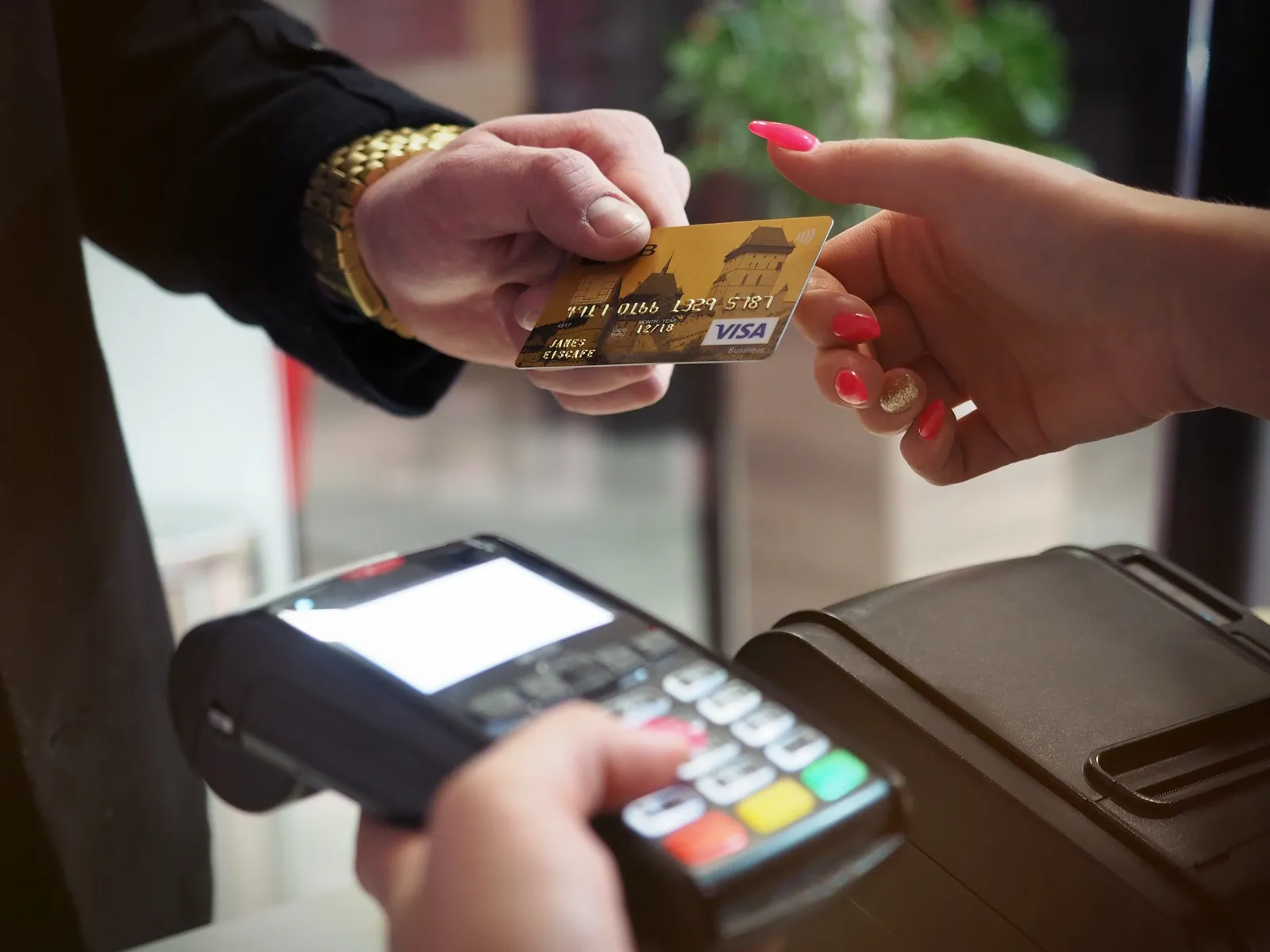
The Crucial Role of Payment Integration in E-commerce
In the dynamic world of e-commerce, where convenience is king, payment integration emerges as the linchpin that transforms digital window-shopping into successful transactions. Beyond a mere transactional tool, payment integration is the gateway to customer satisfaction, trust, and ultimately, the growth of your online business. Let's explore the significance and strategies behind seamlessly integrating payments into the e-commerce experience.
Understanding Payment Integration
Payment integration is the process of connecting your e-commerce platform with payment gateways to facilitate secure and efficient online transactions. It goes beyond just offering payment options; it's about crafting a seamless and trustworthy transactional experience for your customers.
Diverse Payment Options
The modern digital consumer demands choices. Payment integration involves offering a diverse array of payment options to cater to varying preferences. From credit and debit cards to digital wallets, bank transfers, and emerging payment methods, providing a spectrum of choices enhances the user experience and widens your customer base.
Security as a Top Priority
Security is paramount in the realm of online transactions. Payment integration ensures that sensitive customer information is handled with the utmost care. The use of secure sockets layer (SSL) encryption, compliance with Payment Card Industry Data Security Standard (PCI DSS), and two-factor authentication are integral components of a secure payment integration strategy.
User-Friendly Checkout Experience
The checkout process is the critical juncture where visitors transition to customers. Seamless payment integration streamlines the checkout experience, minimizing friction and reducing the likelihood of cart abandonment. A user-friendly and intuitive checkout process enhances customer satisfaction and encourages repeat business.
Mobile Payment Integration
With the rise of mobile commerce, optimizing payment integration for mobile devices is non-negotiable. Ensure that your payment gateway is mobile-responsive, providing a smooth and intuitive payment experience for users accessing your site via smartphones and tablets.
Integration with E-commerce Platforms
Efficient payment integration involves compatibility with popular e-commerce platforms. Whether you're using Shopify, WooCommerce, Magento, or others, your payment gateway should seamlessly integrate with your chosen platform. This ensures a cohesive and integrated approach to managing products, inventory, and transactions.
Real-Time Transaction Processing
Customers expect immediacy in the digital realm. Real-time transaction processing, facilitated by effective payment integration, ensures that transactions are processed instantly. This not only enhances customer satisfaction but also provides a reliable and efficient experience for both buyers and sellers.
Subscription and Recurring Payments
For businesses offering subscription services or products with recurring payments, a robust payment integration system supports automated billing cycles. This not only streamlines the billing process but also enhances predictability for both the business and the customer.
Analyzing Transaction Data
Payment integration isn't just about processing payments; it's also about gathering valuable transaction data. Analyzing this data provides insights into customer behavior, popular products, and transaction patterns. This data-driven approach empowers businesses to make informed decisions and refine their strategies.
Continuous Testing and Optimization
The digital landscape evolves, and so should your payment integration strategy. Regularly test and optimize the payment process to identify and address any issues. Stay informed about emerging technologies, security protocols, and user preferences to ensure that your payment integration remains cutting-edge.
Conclusion
Payment integration isn't a mere technicality; it's the heartbeat of successful e-commerce operations. By seamlessly integrating payments into the user experience, you're not just facilitating transactions; you're building trust, enhancing customer satisfaction, and laying the foundation for sustained growth in the competitive world of online commerce.